

STM32 Programming Course for beginners
Go From Zero to Confident STM32 Programmer — Build Real Embedded Projects
Stop being stuck with setup headaches, confusing datasheets, and half-working examples. This project-based course teaches you how to program STM32 microcontrollers from scratch — mastering GPIO, timers, UART, interrupts, and more using STM32CubeIDE, HAL, and bare-metal code.
Lifetime
$20
$40
✔Beginner-level
✔14-day money-back guarantee
✔Lifetime access
✔Certificate of Completion
✔ 40 lessons
✔ 5 hours of video content
✔ PDF Materials
✔ Video Captions
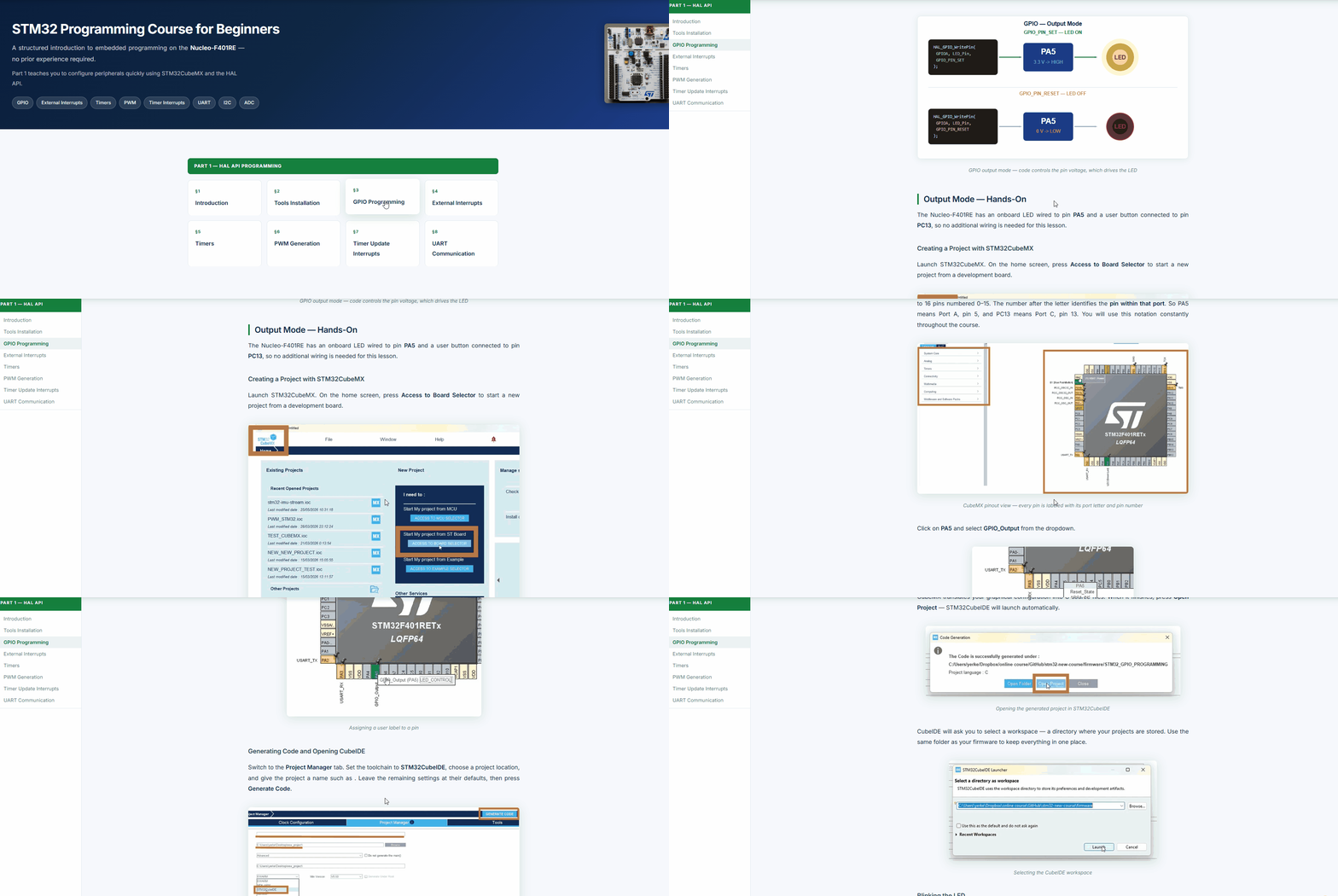
Full Written Documentation for Every Module
This course isn't video-only. Every module comes with complete written documentation — code, register-level explanations, and diagrams — so you can follow along, look things up later, and reference everything without scrubbing through videos.
Design the Device Logic Step by Step
This is not a passive course.
You’ll continuously design and improve a device by adding new features after each module. This project-based approach helps you build real understanding, faster progress, and confidence in your skills.

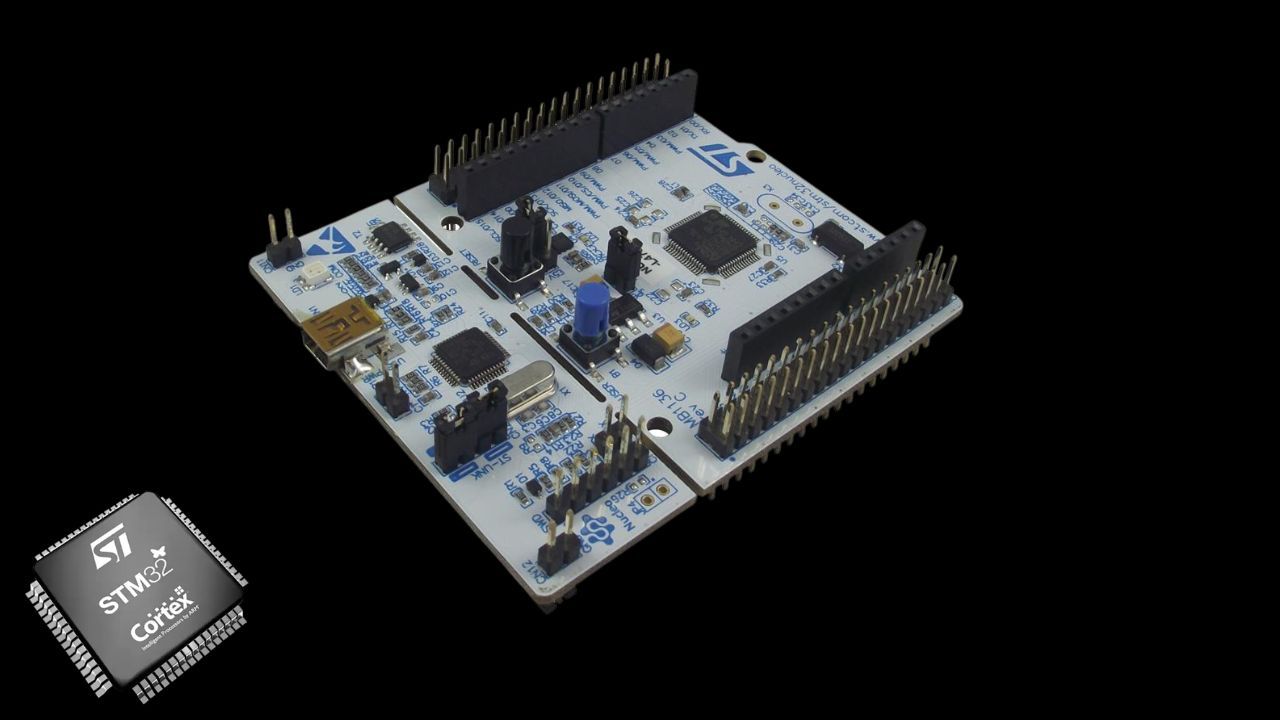
HAL API, CubeMX, and Bare-Metal Programming
You’ll learn three different approaches to programming STM32 microcontrollers:
- HAL API
- CubeMX-generated code
- Bare-metal programming
This versatility prepares you for real industrial environments. The focus is not just on writing code, but also on understanding the core principles and hardware features that underpin it.
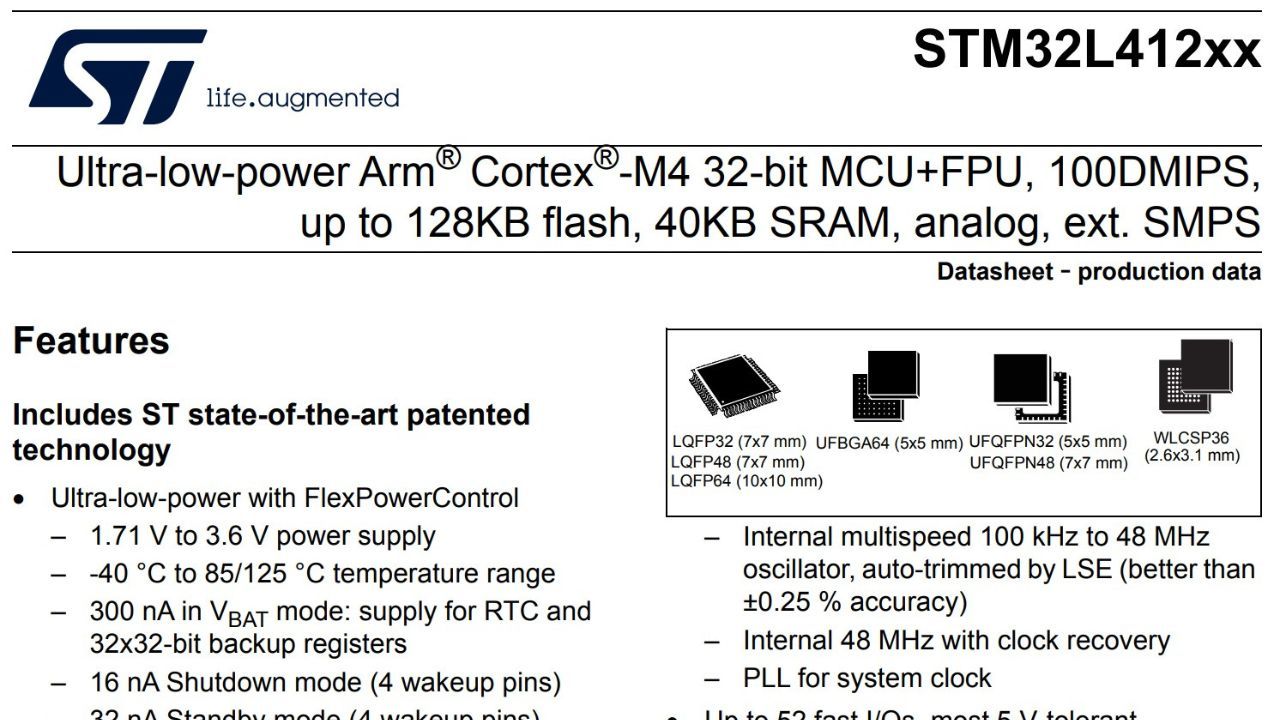
Learn to Work with Datasheets and Reference Manuals
An amateur relies on ChatGPT or random web articles. A professional works directly with official datasheets and reference manuals to obtain precise, reliable information.
In this course, you’ll learn how to navigate technical documents efficiently and extract exactly what you need—no guessing, no assumptions.

Get Clear Answers to Your Questions
Learning accelerates when you ask questions.
You’re encouraged to be proactive and curious throughout the course. I respond to questions within 12 hours, and most of the time within 2–3 hours.
Steppeschool Reviews
Course Content
-
CH0 - Introduction
2 lessons- 1 - Introduction to the Course
- The full STM32 Course documentation
-
CH1 - GPIO HAL Programming
2 lessons- 1 - GPIO Output Mode, HAL
- 2 - GPIO Input Mode, HAL
-
CH2 - GPIO External Interrupt, HAL
1 lesson- 1 - GPIO External Interrupt, HAL
-
CH3 - Timers, HAL Programming
3 lessons- 1 - Introduction to Clocks
- 2 - Introduction to Timers
- 3 - Timers HAL Programming
-
CH4 - PWM HAL Programming
2 lessons- 1 - Introduction to PWM
- 2 - PWM HAL Programming
-
CH5 - UART HAL Programming
2 lessons- 1 - UART Introduction, Data Reception
- 2 - UART Data Transmission
-
CH6 - STM32 documentation and architecture
1 lesson- 1 - STM32 MCU Documentation
-
Old Version, CH0 - Course Introduction
3 lessons- 1 - Introduction to the course
- 3 - Libraries and Tools to program STM32 microcontrollers
- 4 - Datasheets and other documents
-
Old Version, CH1 - GPIO peripheral, HAL API
6 lessons- 1 - Introduction
- 2 - STM32CubeIDE + STM32CubeMX Project Setup (Latest Version Guide)
- 2 - OLD IDE VERSION INSTALLATION!
- 3 - Hardware configuration
- 4 - HAL API, GPIO
- Rate & review this course
-
Old Version, CH2 - GPIO, CMSIS bare-metal
6 lessons- 5 - C language, numbering systems
- 6 - stdint library
- 7 - Bitwise operators
- 8 - Registers
- 9 - Setting, resetting the bits
- 10 - CMSIS, GPIO peripheral
-
Old Version, CH3 - How the microcontroller operates at a low level...
2 lessons- 1 - The microcontroller architecture
- 2 - Startup file
-
Old Version, CH4 - External Interrupts
3 lessons- 1 - Introduction
- 2 - HAL API, External interrupts
- 3 - CMSIS, External interrupts
-
Old Version, CH5 - Pulse-Width-Modulation
9 lessons- 1 - Introduction to Clocks
- 2 - Introduction to Timers
- 3 - HAL API, Timers
- 4 - CMSIS, Timers
- 5 - PWM implementation, STM32
- 6 - HAL API, PWM
- 7 - CMSIS, PWM part 1
- 8 - CMSIS, PWM part 2
- Rate & review this course
-
Old Version, CH6 - Timer update interrupt
3 lessons- 1 - Introduction to Timer interrupt
- 2 - HAL API, Timer interrupt
- 3 - CMSIS, Timer interrupt
-
Old Version, CH7 - UART Communication protocol
3 lessons- 1 - UART Introduction
- 2 - UART: data transmission
- 3 - UART: data reception
-
Old Version, CH8 - Analog-to-Digital Converter
3 lessons- 1 - ADC explanation
- 2 - Document explanation
- 3 - HAL API, ADC
NICE TO MEET YOU
Tutor
Greetings! I'm Yerke, the founder/editor/SEO/ loader/marketer of SteppeSchool. With a Bachelor's degree in Electrical Engineering and a Master's degree in Robotics/Mechatronics, I completed my Ph.D. in Robotics/Mechatronics.
Currently, as an automation engineer, I spend my free time teaching people about electronics, embedded programming, and robotics. For years, I've been curating insightful content on my YouTube channel (+700k views), offering valuable insights to students and enthusiasts alike.

Target audience
Built For Engineers Like You
➜ Students and engineers who want to get started with STM32 microcontrollers
➜ Hobbyists interested in embedded systems and electronics
➜ Anyone transitioning from Arduino to professional embedded development
➜ Developers who want to strengthen their understanding of STM32 HAL and CubeMX
More Details
Frequently-asked questions
Can I get support if I’m stuck?
Is this course beginner-friendly?
Can I use a different STM32 board than the one used in the course?
Should I have prior knowledge of programming STM32 microcontrollers?
Do I get lifetime access?
Is there a refund policy?
Do I need an STM32 board?
Build Real STM32 Engineering Skills — Not Just Working Demos
This course teaches you how to read STM32 datasheets and reference manuals, design device logic step by step, and implement it using HAL, CubeMX, and bare-metal code. Through a structured, project-based workflow, you’ll build real systems instead of isolated demos.
ENROLL NOW